
Resources
-
If you are concerned about changes in memory, language, thinking, behavior, or other aspects of cognition, obtaining a comprehensive evaluation can be an important first step.
Specialized centers provide expert assessment, diagnosis, and care. If visiting these centers is not possible, consider contacting them directly by email to ask about available resources, referrals, telehealth options, or recommendations.
You can also contact the nearest academic medical center, university hospital, or memory clinic in your region. Ask whether they offer comprehensive cognitive evaluations or can recommend a specialist with expertise in memory disorders and brain health.
In addition to clinical care, many academic medical centers offer research studies, educational programs, support groups, and community events. Ask whether they can connect you with opportunities to learn, participate in research, or meet others navigating similar experiences.
When speaking with a clinic or medical center, consider asking:
Do you provide comprehensive cognitive evaluations?
Can you recommend a specialist with expertise in memory and cognitive disorders?
Are there research studies or clinical trials that may be appropriate?
Do you offer educational programs, support groups, or community events?
Can you connect patients and families with local resources and services?
Many academic medical centers serve as hubs for both clinical care and research and can help connect individuals and families with opportunities for support, education, and community engagement.
The Global Brain Health Institute (GBHI)
ExWell Medical at St. James's Hospital, Dublin
A diagnosis is only one part of the journey. Community, creativity, physical activity, advocacy, and meaningful relationships can also play important roles in living well with cognitive change.
-
No one should face cognitive change alone. Community organizations can provide education, support groups, care partner resources, opportunities for advocacy, and connections with others who understand the challenges and possibilities of living with dementia.
Whether you are living with cognitive impairment, caring for a family member, seeking practical information, or looking for ways to get involved, these organizations can help connect you with resources and supportive communities. Many can also help you find local programs, events, and services in your area.
Alzheimer's Association and the Walk to End Alzheimer's — Information, support groups, educational programs, care partner resources, local chapters, and opportunities to connect with others.
The Association for Frontotemporal Degeneration (AFTD) — Resources, education, advocacy, and support for people living with frontotemporal degeneration (FTD), their families, and care partners.
Lewy Body Dementia Association — Information, education, support, and resources for people living with Lewy body dementia, their families, and care partners, including guidance on diagnosis, treatment, support groups, and community connections.
-
Art, music, movement, storytelling, theater, photography, and other creative practices can play a meaningful role in supporting health, well-being, connection, and quality of life for older adults and people living with cognitive impairment.
We encourage you to reach out to the artists featured in Keys Bags Names Words to learn more about their work and programs. You may also find opportunities through local museums, arts organizations, libraries, senior centers, community centers, healthcare organizations, and universities.
Alex Kornhuber Photography– Documentary photographer Alex Kornhuber uses photography, film, and sound to tell deeply human stories about aging, brain health, and dementia. His work highlights the lived experiences of older adults and invites viewers to see aging with empathy and curiosity. Alex is also available to present his work and lead discussions at conferences, meetings, and community events, using storytelling to foster meaningful conversations about dementia, aging, and brain health.
Aliceheimer’s: A Chamber Opera– A moving and often humorous chamber opera based on Dana Walrath's graphic memoir, Aliceheimer's tells the story of one woman's experience with dementia from her own perspective. Through music and storytelling, it celebrates humanity, resilience, and the essential role of caregivers.
Atlantic Fellows at the Global Brain Health Institute (GBHI) – The Global Brain Health Institute brings together artists, scientists, clinicians, advocates, and community leaders working to reduce the impact of dementia worldwide. Its Atlantic Fellows create innovative projects that use the arts to raise awareness, reduce stigma, and support people living with dementia and their care partners.
Creative Brain Week– Creative Brain Week is an annual celebration of the connections between the arts, creativity, and brain health. Through performances, conversations, exhibitions, and community events, it explores how creative expression can foster understanding, connection, and well-being for people affected by dementia.
DanceStream Projects– DanceStream Projects offers evidence-informed dance and storytelling programs that bring people living with dementia, care partners, and artists together to create and share stories. Its programs support creativity, communication, social connection, and brain health while challenging common misconceptions about dementia.
Memoria – Re-Live– Memoria – Re-Live is a life-story theater performance created with people living with dementia and their families. Blending personal memories with performance, it offers a compassionate exploration of identity, relationships, and what it means to live well with dementia.
NeuroArts Resource Center– The NeuroArts Resource Center brings together research, practical tools, and inspiring examples that explore how music, dance, visual art, theater, and other creative experiences can support brain health and wellbeing across the lifespan.
NeuroArts Blueprint– The NeuroArts Blueprint is an international initiative advancing research on how the arts affect the brain, body, and behavior. It provides evidence, resources, and a roadmap for integrating creative practices into healthcare, public health, and community wellbeing.
UnRavelled Play – UnRavelled is a multimedia theater production inspired by the true story of scientist-turned-artist Anne Adams, whose creativity flourished after developing frontotemporal dementia. Combining theater, music, visual art, and neuroscience, it challenges stereotypes about dementia and celebrates creativity, connection, and the enduring humanity of people living with brain disease.
These organizations provide information about research, programs, practitioners, and community resources at the intersection of arts, health, aging, and brain health. They can help you identify opportunities, collaborators, and programs in your local area.
Keys Bags Names Words features a diverse community of clinicians, researchers, artists, advocates, caregivers, and people living with cognitive change. The organizations, programs, and individuals highlighted in the film offer resources, support, creative opportunities, and information for people living with cognitive change, their families, and their communities. Many serve both local and global communities. We encourage you to explore their work and connect with them directly.
If you or someone you care about is experiencing cognitive change, we hope these resources help you find information, support, community, and opportunities for meaningful connection.
The people featured in Keys Bags Names Words remind us that dementia is not only a medical condition but also a human experience shaped by relationships, creativity, purpose, and community.
We hope these resources help you find support and connection wherever you are.
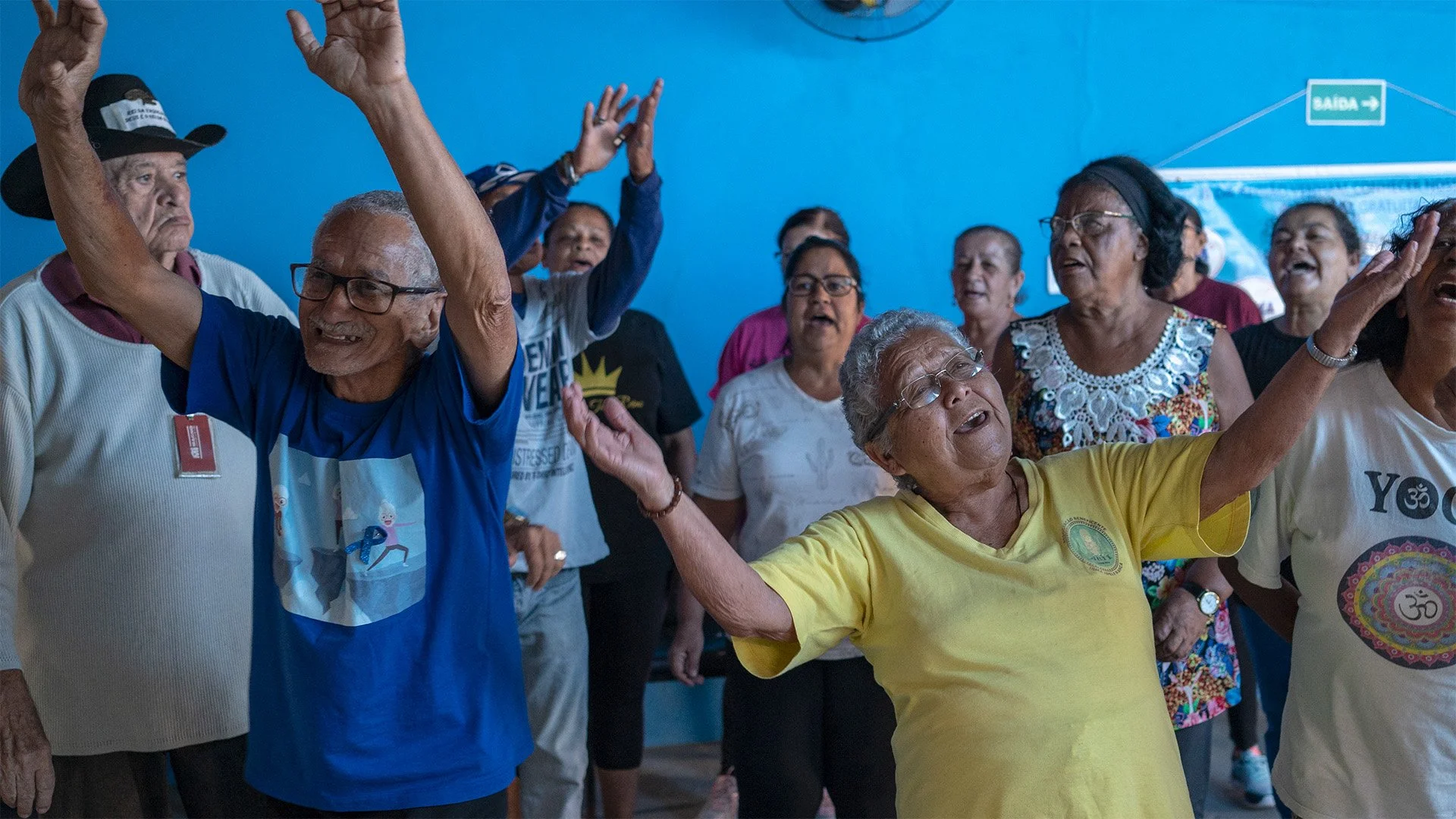
Photograph by Alex Kornhuber